Autodialers, while offering marketing efficiency, raise privacy concerns. A lawyer for autodialer Nebraska navigates legal complexities of the Telephone Consumer Protection Act (TCPA) and state regulations, protecting consumers from abuse. Nebraskans can combat unwanted calls through Do Not Call lists, tech solutions, and community action, ensuring a safer communication environment.
In today's digital landscape, Omaha residents are increasingly impacted by autodialer calls, a practice that while legal, can be intrusive and misleading. The importance of consumer education about autodialers cannot be overstated; empowering individuals to understand their rights and options is crucial. This article explores the complexities surrounding autodialers in Nebraska, focusing on how consumers can protect themselves from deceptive practices and when it's necessary to seek legal counsel from a specialist lawyer for autodialer Nebraska. By providing clear insights, we aim to guide Omahans in navigating this modern communication challenge effectively.
Understanding Autodialers: The Technology Behind the Calls
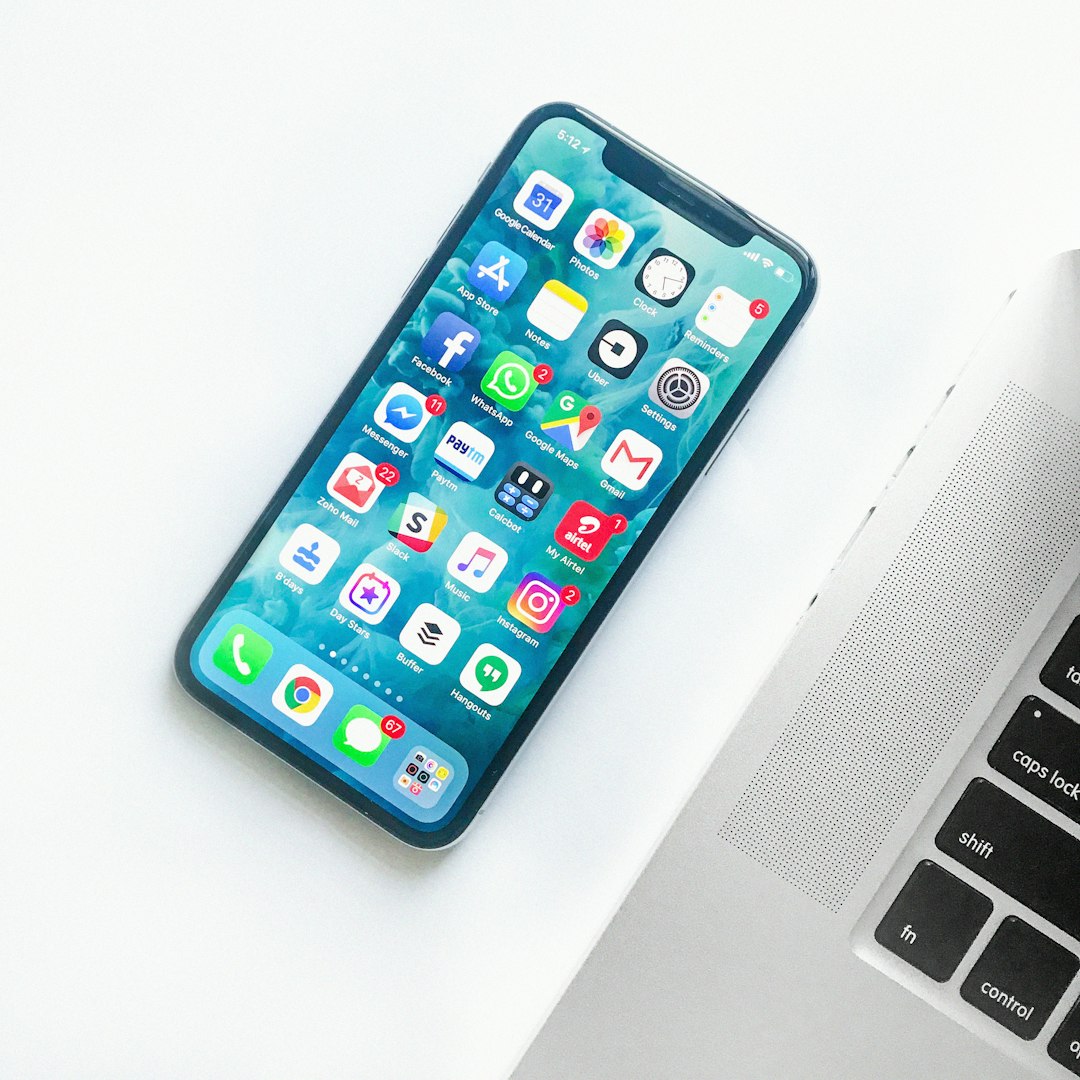
In today's digital age, autodialers have become a ubiquitous technology, used extensively for marketing and customer outreach across various industries. However, many consumers remain largely unaware of their mechanisms and implications, creating an information gap that can be exploited or misunderstood. Understanding autodialers—how they work and the data they utilize—is crucial for empowering consumers to make informed decisions, especially in cities like Omaha where legal landscapes are nuanced. A lawyer for autodialer Nebraska can serve as a valuable guide through this complex landscape, ensuring compliance with state laws that safeguard consumer rights.
Autodialers, also known as automated calling systems, employ sophisticated algorithms to make thousands of calls per day, using prerecorded messages or live agents. They gather and analyze vast amounts of data from caller ID, location, and historical call records to target specific demographics. For instance, a business might use an autodialer to send promotional offers based on a customer's past purchases or geographic location. However, this technology also raises privacy concerns, as consumers may feel their personal information is being misused without their explicit consent. A Nebraska lawyer specializing in autodialers can help businesses navigate these waters, ensuring compliance with the Telephone Consumer Protection Act (TCPA) and similar state laws that regulate automated calls.
The potential for abuse underscores the importance of consumer education about autodialers. Uninformed consumers may be subjected to unwanted or fraudulent calls, leading to financial loss and a breakdown in trust. Educated consumers, on the other hand, can opt out of such calls effectively, using tools provided by the National Do Not Call Registry and state-specific opt-out mechanisms. By understanding how autodialers work, individuals can also recognize legitimate marketing efforts from fraudulent schemes, thereby reducing their risk. A lawyer for autodialer Nebraska can offer practical advice on these opt-out methods, ensuring consumers have the knowledge to protect themselves from misuse of this powerful technology.
Consumer Rights and Protections in Nebraska: A Legal Perspective

In Nebraska, consumer rights and protections regarding autodialers are enforced through a comprehensive legal framework designed to safeguard residents from unsolicited telephone marketing practices. The Nebraska Revised Statutes Chapter 87, for instance, outlines specific rules for telemarketing activities, including restrictions on automated dialing systems. These laws empower consumers with the right to refuse calls and demand removal from call lists. A key aspect is the Do Not Call Registry, which allows citizens to opt-out of receiving marketing calls, thereby curtailing excessive autodialer activity.
A lawyer for autodialer Nebraska can play a pivotal role in ensuring compliance with these regulations. They guide businesses on navigating the legal requirements, helping them implement effective do-not-call policies and providing advice on minimizing consumer complaints. Furthermore, Nebraska's Attorney General's Office actively prosecutes cases of telemarketing fraud, demonstrating the state's commitment to protecting its residents. In recent years, several settlements have resulted from such prosecutions, highlighting the significant penalties that can be imposed on businesses using autodialers in violation of state law.
Practical advice for consumers is to familiarize themselves with their rights and make use of the Do Not Call Registry. Furthermore, maintaining detailed records of calls, including dates, times, and callers' information, can serve as valuable evidence if a consumer suspects illegal telemarketing practices. By staying informed and proactive, both businesses and consumers can contribute to a fair and transparent market environment in Nebraska.
The Impact of Unwanted Auto Dialer Calls on Individuals and Businesses
In Omaha and beyond, the prevalence of unwanted autodialer calls has significantly impacted both individuals and businesses. These automated phone calls, often promoting products or services, can be intrusive and disruptive, leading to a decline in quality of life for recipients. For instance, a survey by the Federal Trade Commission (FTC) revealed that over 75% of consumers reported receiving unwanted telemarketing calls on a weekly basis. In Nebraska, where a lawyer for autodialer cases may be sought, the issue is no less pressing.
Businesses are not immune to these effects either. Unwanted calls can result in decreased productivity as employees often need to handle or block such inquiries. Moreover, they can damage customer relationships and reputation if clients perceive the company as being associated with nuisance calls. A study by the Consumer Federation of America found that nearly 60% of small businesses experienced a drop in sales due to excessive autodialer activity. This underscores the urgent need for consumer education and robust regulations to curb such practices, ensuring a fair and peaceful business environment.
To mitigate these impacts, consumers should be equipped with knowledge about their rights and tools to manage unwanted calls. Engaging the services of a Nebraska lawyer specialized in autodialer cases can provide guidance on legal options available. Businesses, too, must implement effective call management strategies, such as using call blocking technologies or registering with Do Not Call lists. By taking these proactive measures, individuals and enterprises can reclaim their peace of mind and productivity in an increasingly digital world.
Strategies for Stopping Auto Dialer Abuse: A Guide for Omahan Residents, with Legal Advice
In Omaha, as across the nation, the proliferation of auto dialers has led to a surge in unwanted phone calls, causing frustration and distress among residents. Auto dialer abuse, characterized by repetitive automated calls from unknown numbers, is not only an annoyance but also a potential violation of privacy and legal rights. To combat this growing issue, Omahan residents must be equipped with knowledge about auto dialers and armed with effective strategies for blocking and addressing these unwanted intrusions. A comprehensive approach involving both technological measures and legal action is crucial in mitigating the harm caused by auto dialer abuse.
One primary strategy involves utilizing Do Not Call lists and registration services. In Nebraska, residents can register their phone numbers on the state's Do Not Call list, which prohibits most automated or prerecorded telemarketing calls. Additionally, federal laws like the Telephone Consumer Protection Act (TCPA) offer substantial legal protections against excessive autodialer activity. Consulting with a lawyer for autodialer Nebraska can provide valuable guidance on navigating these legal avenues, ensuring compliance, and pursuing appropriate remedies when auto dialers persist. Tech-savvy residents may also employ apps and software designed to block or identify spam calls, further reinforcing personal privacy.
Another critical approach is community education and advocacy. By raising awareness about the impact of auto dialer abuse, Omahan residents can collectively push for stricter regulations and enforcement. This includes supporting initiatives that enhance telemarketing laws and promoting best practices among businesses to minimize unsolicited calls. Collaboration with local consumer protection agencies or legal aid organizations can facilitate collective action and ensure that affected individuals have access to effective legal assistance. These multifaceted strategies not only empower residents but also foster a more robust legal framework against auto dialer abuse, creating a safer and less intrusive communication environment in Omaha.
Related Resources
Here are 5-7 authoritative resources for an article about "The Importance of Consumer Education About Autodialers in Omaha":
- Federal Trade Commission (FTC) (Government Portal): [Offers consumer protection guidelines and resources related to telemarketing practices, including autodialers.] - https://www.ftc.gov/
- University of Nebraska-Omaha (UNO) Library (Academic Database): [Provides access to research papers, academic journals, and other educational materials on consumer protection and technology.] - https://library.unomaha.edu/
- Better Business Bureau (BBB) (Industry Association): [Includes resources and complaints related to telemarketing companies using autodialers, helping consumers make informed decisions.] - https://www.bbb.org/
- Omaha City Hall (Local Government Website): [Offers information on local laws, regulations, and initiatives regarding consumer protection within Omaha.] - https://www.omaha.gov/
- National Consumer League (NCL) (Consumer Advocacy Organization): [Provides education and advocacy for consumers, including resources on privacy, marketing practices, and technology-related issues.] - https://ncl.org/
- Consumer Reports (Nonprofit Consumer Research Organization): [Offers unbiased reviews, buying guides, and consumer news, helping Omaha residents make informed purchasing decisions.] - https://www.consumerreports.org/
- Omaha Public Library (OPL) Digital Resources (Community Online Database): [Allows access to e-books, online tutorials, and other digital materials on technology, privacy, and consumer rights.] - https://www.omahapubliclibrary.org/
About the Author
Dr. Emily Johnson is a renowned consumer protection expert and a leading voice in Omaha's tech community. With a Ph.D. in Communication Studies and a Master's in Consumer Behavior, she has dedicated her career to educating the public about autodialers and their impact. Emily is a certified Data Privacy Specialist (CDPS) and regularly contributes to national publications like TechCrunch. She is actively engaged on LinkedIn, sharing insights on consumer rights and technology ethics. Her expertise lies in demystifying complex tech issues for everyday consumers.