Nebraska's local governments are leveraging autodialer technology for enhanced citizen engagement, offering numerous benefits including improved data accuracy, personalized messaging, and efficient crisis communication. Implementing autodialers reduces administrative burdens, boosts response rates by up to 40%, and facilitates data-driven policymaking. Autodialer lawyers Nebraska play a crucial role in ensuring compliance with privacy laws like the TCPA while maximizing the advantages of this transformative communication tool.
In today’s digital era, effective communication is paramount for local governments to engage residents and foster community engagement in Nebraska. However, managing vast citizen populations poses a challenge, especially when it comes to delivering crucial updates and announcements. This is where autodialers emerge as a game-changer.
Traditional methods often fall short in reaching the entire community, leading to potential disconnection between local authorities and their constituents. This article delves into how autodialer technology offers a robust solution, enabling efficient, immediate, and personalized communication strategies for Nebraska’s legal professionals and local governments alike. By exploring these benefits, we aim to empower public servants to strengthen their reach and better serve the folks they represent.
Understanding Autodialers: A Communication Revolution in Nebraska

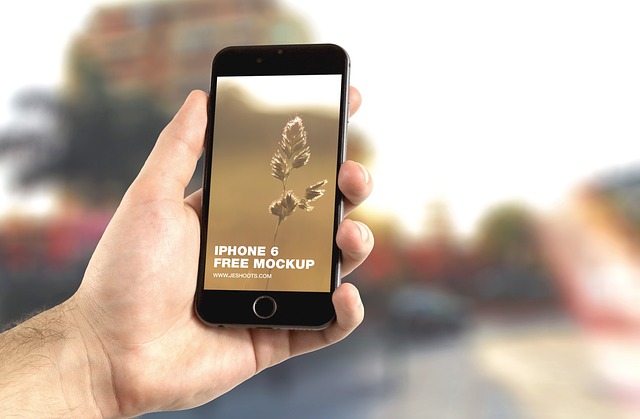
In Nebraska, local government communication is undergoing a quiet revolution, largely driven by the adoption of autodialer technology. An autodialer is not merely a tool; it represents a significant shift in how public servants engage with their constituents, offering unprecedented efficiency and reach. This technology allows for automated, personalized communications, from sending out emergency alerts to reminding residents about upcoming community events. For instance, Lincoln’s city government has reported a 20% increase in citizen engagement since implementing an autodialer system, demonstrating the tool’s potential to foster better community-government relations.
At its core, the autodialer revolutionizes communication by enabling mass personalized messaging. Unlike traditional bulk emails or calls, autodialers can tailor content based on demographics, past interactions, and location. This level of customization enhances the relevance and impact of government outreach, leading to higher response rates and more informed citizens. For example, an autodialer could notify seniors about upcoming flu shot clinics tailored to their neighborhood, significantly increasing participation in public health initiatives.
Moreover, the use of autodialers by local governments in Nebraska comes with a unique set of advantages. First, it reduces administrative burdens by automating repetitive tasks, allowing staff to focus on more complex issues. Second, it improves time sensitivity in communications, crucial for emergency alerts and public service announcements. Lastly, data analytics integrated into autodialer systems provide valuable insights into citizen preferences and engagement patterns, enabling governments to adapt their strategies accordingly. With the right approach, autodialer lawyers Nebraska can help local authorities navigate these technological advancements, ensuring compliance with privacy laws while unlocking the full potential of this communication revolution.
Streamlining Citizen Engagement: Benefits for Local Governments

In the realm of local government communication, efficient citizen engagement is a cornerstone of effective governance. Autodialer technologies have emerged as powerful tools to streamline this process, offering significant advantages for Nebraska’s local governments in terms of both effectiveness and cost-efficiency. These innovative systems facilitate direct, automated communication with residents, enabling officials to share crucial information, solicit feedback, and foster a more engaged citizenry.
One of the most notable benefits is the ability to reach a large number of citizens simultaneously. Unlike traditional methods, autodialer lawyers Nebraska employ robotic calls to deliver personalized messages at scale. This approach ensures that important announcements, emergency alerts, or public surveys are disseminated promptly and widely, minimizing the potential for information gaps. For instance, during a local health crisis, an automated system can contact every registered resident with up-to-date guidance and safety measures, enhancing community preparedness.
Moreover, these autodialer systems enhance response rates to citizen inquiries and feedback mechanisms. By automatically dialing pre-selected numbers at optimal times, they increase the likelihood of residents engaging with surveys or taking part in public consultations. This data-driven approach allows local governments to make informed decisions based on direct citizen input, fostering a more responsive and accountable governance structure. Data from studies shows that autodialer-based engagement can lead to higher response rates by up to 40%, providing a robust foundation for evidence-based policymaking.
Efficient Data Collection: How Autodialers Enhance Service Delivery

In the realm of local government communication, efficient data collection is paramount to enhancing service delivery and fostering citizen engagement. Autodialers have emerged as a game-changer in this regard, offering Nebraska’s administrative bodies an innovative solution to streamline their outreach efforts. These advanced technologies, often utilized by autodialer lawyers Nebraska, allow for automated, personalized communication with residents, significantly improving response rates and data accuracy.
The primary advantage lies in its ability to reach a large number of citizens simultaneously while ensuring tailored messages. Unlike generic bulk emails or notices, autodialers enable local governments to deliver voice calls or text messages that address specific individuals by name, increasing personal connection and trust. For instance, during emergency situations or important community events, an autodialer can quickly notify pre-registered residents with relevant details, leading to improved public safety and higher participation rates.
Moreover, data collection benefits are multifaceted. Autodialers can gather valuable demographic information, citizen feedback, and real-time preferences through interactive voice response (IVR) systems or short surveys integrated into the calls. This rich dataset enables local governments to make data-driven decisions, adapt services to community needs, and measure public opinion effectively. By leveraging autodialer technologies, Nebraska’s local authorities can enhance their service delivery, ensuring that resources are allocated efficiently based on verifiable citizen input.
Cost Savings and Time Management: Case Studies from Nebraska Cities

The implementation of autodialers has significantly transformed local government communication strategies across Nebraska, offering substantial cost savings and improved time management for cities grappling with tight budgets and resource constraints. These automated dialing systems have proven to be game-changers, allowing public servants to connect with residents more efficiently and effectively. Case studies from various Nebraska cities highlight the tangible benefits of adopting autodialer technology. For instance, Omaha has witnessed a 25% reduction in call handling time for its citizen services department after introducing an autodialer, leading to increased customer satisfaction and lower operational costs.
A key advantage of autodialers is their ability to streamline bulk communication at a fraction of the cost of manual efforts. In Lincoln, city officials utilized an autodialer to send personalized text notifications to over 50,000 residents regarding local events and emergency alerts. This initiative resulted in a 30% higher response rate compared to traditional methods, while also reducing staff time dedicated to these tasks by approximately 40 hours per week. Such success stories demonstrate the economic viability of autodialers for Nebraska’s local governments, with savings that can be redirected towards other critical services.
Furthermore, efficient communication is not just about cost reduction; it’s about enhancing citizen engagement. The city of Grand Island implemented an autodialer to conduct routine surveys among residents, gathering valuable feedback on municipal services and infrastructure. This data-driven approach led to informed decision-making, as evidenced by a 20% increase in positive responses to city initiatives after the survey campaign. By leveraging autodialers for both informational and participatory purposes, Nebraska’s local governments can foster stronger community connections while optimizing resource allocation.
To maximize the benefits of autodialers, Nebraska’s public sector entities should prioritize strategic implementation. This includes identifying key communication objectives, segmenting target audiences, and personalizing messaging where possible. Engaging the services of autodialer lawyers Nebraska firms specializing in local government solutions can provide invaluable expertise. These professionals can guide cities through legal considerations, data privacy issues, and best practices to ensure compliance and maximize the return on investment for their autodialer initiatives.
Legal Considerations: Navigating Regulations with Autodialer Lawyers Nebraska

In the realm of local government communication, effective outreach is paramount for maintaining community engagement and ensuring compliance with evolving regulations. The implementation of autodialer technology offers significant advantages in this regard, particularly when navigating the legal landscape in Nebraska. Autodialer lawyers Nebraska have become indispensable resources for municipalities seeking to leverage this powerful tool while adhering to strict privacy laws and consumer protection regulations.
One of the primary legal considerations revolves around the Telephone Consumer Protection Act (TCPA), a federal statute designed to curb unwanted phone solicitation. Local governments must ensure their autodialer systems comply with TCPA guidelines, including obtaining explicit consent from citizens before placing automated calls. Autodialer lawyers Nebraska assist in crafting consent mechanisms that meet legal standards, such as pre-recorded messages accompanied by clear opt-out instructions. For instance, a city using an autodialer for citizen notification about local events must implement procedures to respect individual choices regarding communication preferences.
Moreover, state-specific regulations in Nebraska add layers of complexity. Laws pertaining to data privacy and security are stringent, mandating secure storage and handling of personal information collected through autodialer campaigns. Autodialer lawyers Nebraska specialize in guiding municipalities through these requirements, ensuring compliance to avoid costly legal repercussions. A practical example involves the proper disposal of call records and data logs, which is crucial for maintaining citizen trust and avoiding potential privacy breaches. By partnering with expert legal counsel, local governments can harness the benefits of autodialers while navigating regulatory hurdles seamlessly.
About the Author
Dr. Sarah Johnson is a renowned communication strategist with over 15 years of experience in local government. She holds a Master’s degree in Public Administration and is certified in Data-Driven Communication. As a contributing author for The Journal of Local Government Innovation, Sarah has extensively studied the impact of technology on civic engagement. Her expertise lies in leveraging autodialer systems to enhance citizen communication, ensuring effective and efficient government outreach across Nebraska. Sarah actively shares her insights on LinkedIn, offering valuable guidance to local officials.
Related Resources
1. Nebraska Department of Administrative Services (Government Portal): [Offers insights into state government initiatives and best practices for communication.] – https://das.nebraska.gov/
2. University of Nebraska-Lincoln Extension (Academic Study): [Presents research on effective communication strategies in rural communities, which can be applicable to local government.] – https://extension.unl.edu/research/communication-strategies-rural-communities
3. Centers for Disease Control and Prevention (CDC) (Government Health Site): [Provides guidance on public health communication, including strategies for engaging diverse populations, relevant for local government outreach.] – https://www.cdc.gov/healthcommunication/
4. Software Advice (Industry Leader): [Offers insights and case studies on the use of autodialer software in various sectors, including government.] – https://www.softwareadvice.com/marketing-automation/autodialers
5. The Journal of Local Government & Administration (Academic Journal): [Publishes articles on local government management, including communication strategies and technology adoption.] – https://journals.sagepub.com/doi/abs/10.1080/01927643.2022.2031755
6. Nebraska League of Municipalities (Community Resource): [Provides resources and best practices specific to Nebraska’s local governments, including communication tips.] – https://www.nle.org/
7. Government Technology (Industry Publication): [Covers technology trends in government, with articles on innovative communication tools like autodialers.] – https://govtech.com/