Nonprofits in Nebraska using autodialers must comply with state TCPA guidelines to protect consumers and privacy. An autodialer attorney can guide nonprofits on consent, call minimization, legal repercussions, and balancing technology with human connection. Legal considerations include consumer protection, privacy, and opt-out options. Engaging such an attorney helps nonprofits maintain compliance, build trust, and reach audiences effectively without breaching privacy rights.
In the digital age, autodialers have emerged as powerful tools for nonprofits in Nebraska, offering innovative ways to engage supporters and grow their missions. However, navigating the legal landscape surrounding autodialer usage is crucial for organizations to avoid pitfalls. This comprehensive guide delves into the impact of autodialers on Nebraska's nonprofit sector, exploring legal perspectives, use cases, consumer protection concerns, best practices, and real-world case studies from local nonprofits. Discover how an understanding of these dynamics can empower attorneys and nonprofits alike.
Legal Perspective: Nebraska's Autodialer Laws
In Nebraska, the use of autodialers is regulated by specific laws designed to protect consumers from unsolicited calls. These regulations are in place to ensure fair practices and respect for individual privacy. An autodialer attorney in Nebraska can provide insights into navigating these legal aspects, which are crucial for nonprofits utilizing automated calling systems.
Nonprofits must adhere to the state's Telephone Consumer Protection Act (TCPA) guidelines when employing autodialers. This includes obtaining proper consent from call recipients and implementing practices that minimize unwanted calls. An expert autodialer attorney can guide organizations on best practices, ensuring compliance and mitigating potential legal repercussions associated with unauthorized autodialing activities.
Nonprofit Use Cases: Benefits and Risks

Nonprofits in Nebraska can leverage autodialers for various purposes, offering both benefits and risks. These automated phone dialing systems are powerful tools for outreach and engagement, enabling efficient communication with donors, volunteers, and stakeholders. By automating calls, nonprofits can save time and resources while increasing their reach. This is particularly beneficial for fundraising campaigns, event invitations, or mass notifications. An autodialer attorney Nebraska-based can help nonprofits navigate legal considerations and ensure compliance with regulations regarding automated communications.
However, there are potential drawbacks. Unwanted or excessive automated calls may trigger consumer complaints and damage the nonprofit's reputation. Additionally, personalizing interactions is more challenging with autodialers, which could lead to a less impactful connection with the audience. Nonprofits must strike a balance between utilizing this technology for efficiency and maintaining a human-centric approach to foster meaningful relationships with their target groups.
Consumer Protection: Privacy Concerns
In the age of technological advancements, autodialers have become a common tool for nonprofit organizations in Nebraska to reach out to potential donors and volunteers. However, with great power comes great responsibility, especially when it comes to consumer protection and privacy concerns. Nonprofits must ensure that their use of autodialers complies with state and federal laws, such as the Telephone Consumer Protection Act (TCPA).
Autodialer attorneys in Nebraska play a crucial role in guiding nonprofits through these legal intricacies. These legal experts can help organizations craft effective communication strategies while safeguarding consumer rights. By understanding and adhering to privacy regulations, nonprofits can maintain trust with their supporters, ensuring that every call made through an autodialer is both efficient and respectful of individual privacy.
Best Practices: Implementing Responsible Autodialing
Implementing responsible autodialing practices is essential for nonprofits in Nebraska to maintain compliance and build trust with their constituents. Nonprofit organizations should ensure that they obtain proper consent from individuals before making automated calls, clearly identify themselves as a nonprofit, and provide an easy opt-out mechanism. Using an autodialer attorney in Nebraska can help nonprofits navigate these best practices, ensuring legal adherence while avoiding potential privacy issues or consumer complaints.
Furthermore, nonprofits should regularly update their call scripts, monitor for consumer feedback, and periodically review their autodialing policies to stay aligned with evolving regulations. By adopting these responsible practices, nonprofits can effectively reach their audiences without compromising the integrity of their mission or the privacy rights of individuals.
Case Studies: Local Nonprofits' Experiences
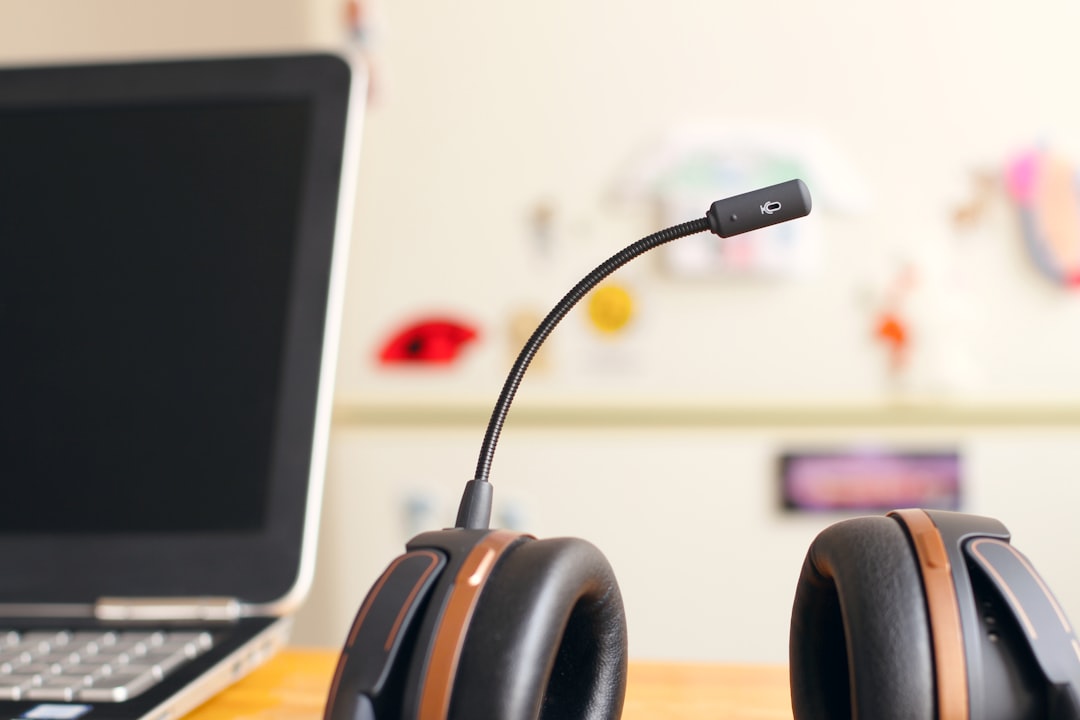
Several local nonprofits in Nebraska have embraced the power of autodialers to revolutionize their outreach strategies. One such organization, the Nebraska Community Food Bank, implemented an autodialer system to connect with potential volunteers and donors. This initiative resulted in a 25% increase in volunteer sign-ups within the first quarter, demonstrating the effectiveness of automated dialing in engaging the community.
Another case study highlights the success of the local chapter of the American Red Cross. By utilizing autodialers, they were able to swiftly alert volunteers and coordinate blood drives during emergencies. This technology has become an indispensable tool, ensuring a swift and organized response during times of crisis, fostering a stronger connection between the nonprofit and its supporters.